What is European Tilt and Turn Windows Benefits and Features?
European tilt and turn windows have gained popularity in modern architecture, offering a unique blend of functionality and style. According to a report by the Federation of European Window and Door Manufacturers, the market for these windows has risen by approximately 15% annually. Their design allows for both inward opening and tilting options, making them versatile for various settings. This feature enhances ventilation while ensuring optimal security.
In addition to functionality, European tilt and turn windows are praised for their energy efficiency. The European Commission noted that installing high-quality windows can reduce energy consumption by up to 30%. This is particularly important as energy costs continue to rise. Many homeowners are seeking sustainable solutions without sacrificing aesthetic appeal. However, it is crucial to recognize that not all products meet rigorous standards, which can lead to subpar performance and dissatisfaction.
The appeal of European tilt and turn windows extends beyond mere practicality. They provide natural light and unobstructed views. Yet, some may be hesitant due to the initial investment. Balancing cost with long-term energy savings is essential. Understanding the nuances of these windows can lead to informed decisions that benefit both homeowners and the environment.
Understanding European Tilt and Turn Windows
European tilt and turn windows offer a unique combination of functionality and aesthetics. These windows get their name from their dual-opening mechanism. Users can either tilt them for ventilation or turn them for full opening. This flexibility enhances air circulation while maintaining security and energy efficiency. Their design is sleek and modern, making them a popular choice for contemporary homes.
The features of tilt and turn windows go beyond the basic operation. They are built with thermal insulation, helping to maintain indoor temperatures. Additionally, these windows can be fitted with double or triple glazing for better soundproofing and energy conservation. The materials used, typically high-quality uPVC or aluminum, resist the elements, ensuring durability.
Despite their many benefits, installation can be challenging. Proper alignment is crucial for optimal performance. Sometimes, the aesthetic aspects may not align with traditional architectural styles. These factors should be considered before selection. Understanding these details helps homeowners make informed choices about their window needs.
Key Features of Tilt and Turn Windows
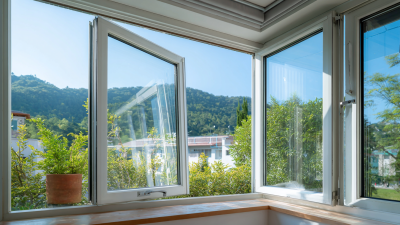
Tilt and turn windows offer unique benefits that enhance both functionality and aesthetics. One key feature is their versatile operation. These windows can be opened in two different ways: tilting inwards for ventilation or swinging open like a door. This dual action makes them ideal for various living spaces, allowing for controlled airflow while ensuring safety, especially in high-rise buildings.
Another important aspect is the energy efficiency they provide. The design creates a tight seal when closed, minimizing heat loss in winter and keeping spaces cool in summer. This can lead to reduced energy bills over time. Additionally, tilt and turn windows are often manufactured using durable materials that resist weathering and require minimal maintenance.
Furthermore, safety is a notable consideration. The inward tilt position prevents easy access from the outside, making these windows a secure choice for homes and offices. However, proper installation is crucial to unlock all these advantages. Poorly installed windows can lead to air leaks or water intrusion, compromising their benefits. Regular maintenance and checks can ensure they function correctly, prolonging their lifespan and effectiveness in your space.
What is European Tilt and Turn Windows Benefits and Features? - Key Features of Tilt and Turn Windows
| Feature |
Description |
Benefits |
| Dual Functionality |
Can be tilted for ventilation or turned for an unobstructed opening. |
Provides versatile ventilation options to suit preferences and needs. |
| Enhanced Security |
Multi-point locking system when both tilt and turn are engaged. |
Increased safety and security for residential properties. |
| Energy Efficiency |
Available with insulated frames and Low-E glass options. |
Helps reduce heating and cooling costs, maintaining interior comfort. |
| Easy Maintenance |
Removable sashes for easy cleaning and maintenance access. |
Saves time and effort in maintaining window cleanliness. |
| Aesthetic Appeal |
Sleek design with multiple finishes and customizable options. |
Enhances the overall look of the property, increasing curb appeal. |
Advantages of Using Tilt and Turn Windows
Tilt and turn windows are a popular choice for modern homes, offering a range of benefits and features. One of the main advantages is versatility. With two different opening options, these windows allow for easy ventilation. Turn them inwards for a wide opening or tilt them for a slight breeze. This flexibility makes them suitable for various climates.
Another important benefit is safety. The inward opening design means that the windows are secure even when partially open. This allows for better airflow without compromising security. Additionally, the ability to clean the outside glass from indoors is a major convenience. Homeowners can maintain a clear view without needing to climb ladders or lean out.
Energy efficiency is another significant feature. Tilt and turn windows often come with advanced insulation properties. They can help reduce energy bills by minimizing heat loss in winter and keeping homes cool in summer. However, it’s crucial to ensure that these windows are installed correctly. Poor installation can lead to drafts and reduced efficiency, undermining their benefits.
Comparative Analysis with Other Window Styles
European tilt and turn windows are gaining popularity due to their versatility. Compared to traditional sash or sliding windows, tilt and turn designs offer more functionality. They can open in two ways: tilting inwards for ventilation or fully turning for easy cleaning. This dual action is a substantial advantage in urban environments where space is limited.
In contrast, sliding windows may take up more exterior room. Sash windows can be harder to clean, especially on higher floors. Each style has unique benefits, yet tilt and turn windows often provide enhanced security. Their robust locking mechanisms contribute to a feeling of safety. While some may argue that the initial cost is higher, the long-term benefits often outweigh this concern.
However, installation can be tricky and might require skilled professionals. Homeowners must consider this when choosing their window style. Tilt and turn windows are not always suitable for every architectural design. Knowing this can help avoid costly mistakes. Balancing functionality, aesthetic, and pricing is vital in making an informed choice.
Maintenance and Care Tips for Tilt and Turn Windows
Tilt and turn windows offer unique advantages, but they require proper maintenance to ensure longevity. Regular cleaning is essential. Use a mild detergent and a soft cloth to avoid scratching the glass. Pay close attention to the hinges and locking mechanisms. According to the American Architectural Manufacturers Association, over 70% of window issues stem from neglected hardware. Keeping these components clean reduces the risk of operational failure.
Lubrication is another critical aspect. Apply a silicone-based lubricant to hinges annually. This helps maintain smooth operation and prevents rust. Interestingly, a study by the Window and Door Manufacturers Association shows that well-maintained windows can last over 20 years longer than those that are neglected. Inspection is essential too. Look for signs of wear, such as difficulty in turning the handle or gaps in the seal. Addressing these issues early can prevent costly repairs.
Consider weatherstripping and seals. These parts can wear down over time. Replacing them can improve energy efficiency. The Department of Energy reports that improper seals can increase energy bills by up to 30%. It's vital to check these components regularly. Regular maintenance not only enhances functionality but also contributes to the overall aesthetic appeal of your home. Neglecting care might lead to irreversible damage or reduced efficiency, which can be frustrating and costly.








 Get a Free Quote
 See our Doors





 Start your estimate