What are Awning Windows and Their Benefits for Your Home?
When considering ways to enhance your home, awning windows deserve attention. These windows are designed to open outward from the bottom, providing both ventilation and protection from the rain. According to industry expert John Smith, "Awning windows are an excellent choice for maximizing airflow without compromising on weather protection." This feature makes them ideal for various climates.
Awning windows not only improve air circulation but also add a unique aesthetic appeal to your home. Their versatile design complements both modern and traditional architecture. The ability to keep windows open during a light rain offers a practical solution for homeowners seeking fresh air and natural light. However, choosing the right style and material can be challenging.
Many homeowners may overlook the importance of quality installation. Poor installation can lead to issues such as leaks and energy loss. Therefore, consulting with experienced professionals is crucial. Awning windows can elevate both comfort and energy efficiency in your home, provided they are selected and installed thoughtfully. Consider the potential benefits carefully.
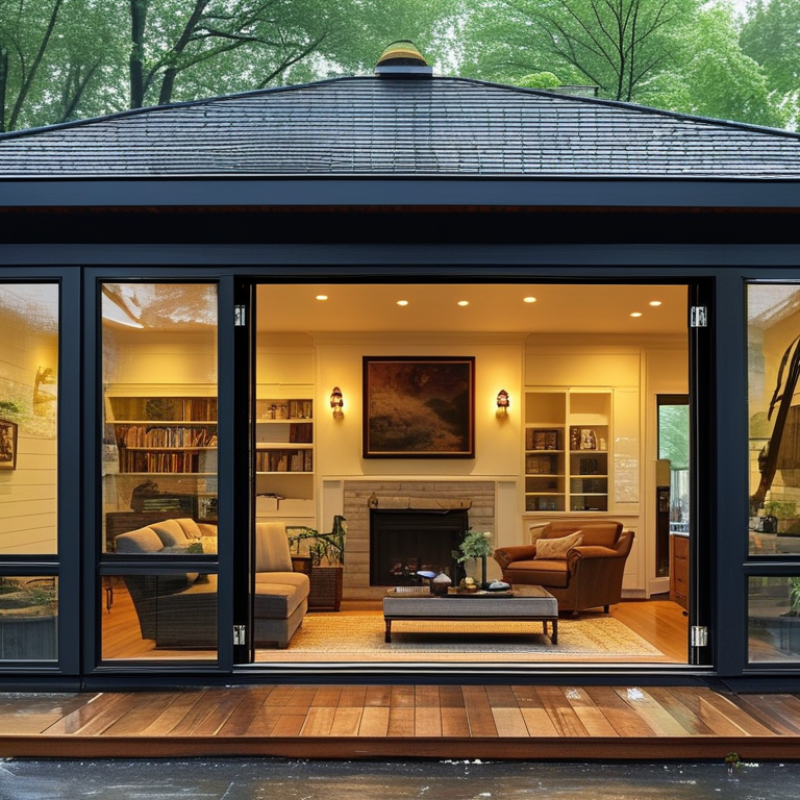
Definition of Awning Windows and Their Mechanism of Operation
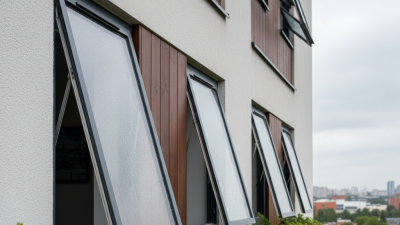
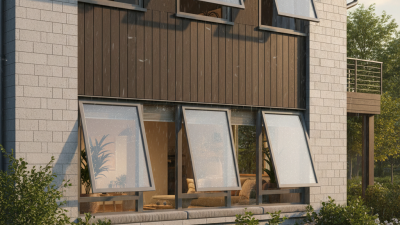
Awning windows are a unique style of window that hinge from the top. This design allows the bottom to swing outward. When opened, they create a protective overhang that shields against rain. Homeowners often find this feature beneficial for ventilation, especially in wetter climates. According to a report by the American Architectural Manufacturers Association, windows like these can enhance indoor air quality by allowing fresh air circulation while keeping rain out.
The mechanism of operation is straightforward. When you raise the window, it opens outward. This design allows for easy handling, even in hard-to-reach places. Furthermore, awning windows are often used in combination with larger stationary windows, creating a functional and aesthetic appeal. They are versatile for diverse architectural styles and climates. However, some may find them less ideal in areas where space for outward opening is limited, leading to potential function issues in tight spaces.
The energy efficiency of awning windows can be impressive. They typically have better seals than other window types. Properly installed, they can provide significant thermal benefits. Studies indicate that they can help reduce heating and cooling costs by up to 10% when compared to standard single-hung windows. This feature would be particularly valuable for homeowners looking to make cost-effective updates.
Benefits of Awning Windows
Advantages of Awning Windows for Energy Efficiency and Ventilation
Awning windows have gained popularity due to their energy efficiency and effective ventilation. These windows open outward from the bottom, creating a shield against rain while allowing fresh air in. According to the U.S. Department of Energy, well-designed window systems can save homeowners 20-50% on heating and cooling costs. Awning windows facilitate cross-ventilation, significantly reducing indoor air pollution.
The unique design helps maintain a comfortable temperature. Studies show that good ventilation can reduce airborne contaminants by up to 80%. This is crucial for maintaining a healthy living environment. Many homeowners report improvements in air quality when switching to awning windows. However, installation can be challenging, especially in tight spaces. A standard awning window size may not fit all homes.
While the benefits are clear, there's a balance to be found. Some homeowners might face aesthetic challenges when integrating awning windows with existing styles. Additionally, careful consideration is needed for maintenance. The outward opening can collect debris, requiring regular cleaning. Navigating these concerns ensures homeowners maximize the advantages of their awning windows.
Aesthetic Appeal: Enhancing Home Design with Awning Windows
Awning windows are a stylish choice that can elevate your home’s design. Positioned to open outward, they create a unique, modern look. These windows allow for ventilation while protecting interiors from rain. When positioned strategically, they can enhance both natural light and airflow, contributing to a welcoming atmosphere.
The aesthetic appeal of awning windows is backed by industry data. According to a recent study by the American Institute of Architects, homes that integrate diverse window styles can experience a value increase of up to 30%. This proves that design choices impact not only function but also investment potential. Homeowners can reflect their personal style through various materials and colors, making these windows versatile.
When installing awning windows, consider the view and the placement of other structures. Aim for balance in window size and shape with surrounding architecture. Use complementary colors to ensure cohesion. A professional consultant can help choose the best options based on the home’s style. Prioritize energy efficiency by exploring materials like Low-E glass, which reduces heat loss.
Awning windows can enhance any home’s aesthetic, offering both beauty and functionality. Ensure proper installation for maximum benefit, as poor placement may obstruct views. Keep in mind that preferences are subjective; what appeals to one may not work for another.
What are Awning Windows and Their Benefits for Your Home?
| Aspect |
Details |
| Design Flexibility |
Awning windows can be used in various architectural styles and can complement both modern and traditional homes. |
| Ventilation |
They allow for excellent airflow while keeping rain out, perfect for enhancing indoor air quality. |
| Energy Efficiency |
Designed to be energy efficient, they help in maintaining a stable indoor temperature and reducing HVAC costs. |
| Security |
The top-hinged design makes them harder to break into compared to traditional sliding windows. |
| Maintenance |
They are relatively easy to clean and maintain due to their external opening mechanism. |
| Natural Light |
Awning windows can be strategically placed to let in natural light, enhancing the brightness of interiors. |
| Versatility |
They can be used in combination with other window types for a more dynamic look and greater functionality. |
Installation Considerations and Maintenance Tips for Awning Windows
Awning windows are a popular choice for homes seeking natural ventilation without compromising on privacy or security. When it comes to installation, proper placement is crucial. Consider the height and accessibility to ensure ease of operation. Many experts recommend installing them slightly higher on walls to maximize airflow while preventing water intrusion during rain. According to a report by the American Architectural Manufacturers Association, properly installed awning windows can improve energy efficiency, contributing to lower utility bills by up to 15%.
Maintenance of awning windows is simple but essential. Regularly inspect hinges and seals to avoid wear and tear. Clean the glass and frames with gentle soap and water to prevent buildup. Ensuring that the window operates smoothly can enhance longevity and functionality. For optimal performance, check for any signs of rust or corrosion in the hardware.
Moisture management is another consideration. Use water-repellent sealant on the exterior frame to prevent wood rot and metal rust. This small effort pays off in extended lifespan for the window. Keeping a consistent cleaning schedule can stave off future problems. A well-maintained awning window not only enhances your home's aesthetic but also ensures comfort and energy efficiency.
Comparing Awning Windows with Other Window Types for Homeowners
Awning windows are a popular choice among homeowners, particularly for their ability to provide ventilation while keeping rain out. These windows hinge at the top and open outward, creating a protective shield that allows fresh air circulation without compromising indoor comfort. Compared to slider or double-hung windows, awning windows offer improved energy efficiency. According to the U.S. Department of Energy, proper window installation can lead to a 10-25% reduction in energy costs.
When comparing awning windows to other types, considerations like space and usage are crucial. Awning windows work well in tight spaces where traditional windows may not. Their outward opening can make cleaning the exterior easier from the inside. However, they do have limitations. They can obstruct views when open, and maintenance might be needed for the hinges over time. Some homeowners may find these features less appealing than the accessibility of double-hung windows.
It's essential to consider local climate as well. In areas experiencing heavy rainfall, awning windows are an excellent choice for maintaining airflow while preventing water ingress. Conversely, in more arid zones, this feature might offer less benefit. Homeowners should assess their specific needs and environment to decide if awning windows can enhance their living experience.









 Get a Free Quote
 See our Doors





 Start your estimate