When designing a home, windows play a crucial role. The choice of windows impacts both aesthetics and functionality. European tilt and turn windows are essential for modern homes. They offer versatility and style. This guide focuses on the unique benefits and features of these windows.
European tilt and turn windows allow you to open them in two ways. Tilt them for ventilation or turn them fully for a wider opening. This flexibility enhances the living space. Many homeowners appreciate the ease of cleaning these windows too. However, finding the right style and fit can be challenging. Not all suppliers meet high standards.
As we explore different options, consider how these windows fit your needs. Design preferences vary widely among homeowners. Not every choice will suit every style. It’s crucial to reflect on the balance of form and function. Choosing European tilt and turn windows might involve some trade-offs. Yet, the potential benefits for a home’s appeal are worth contemplating.
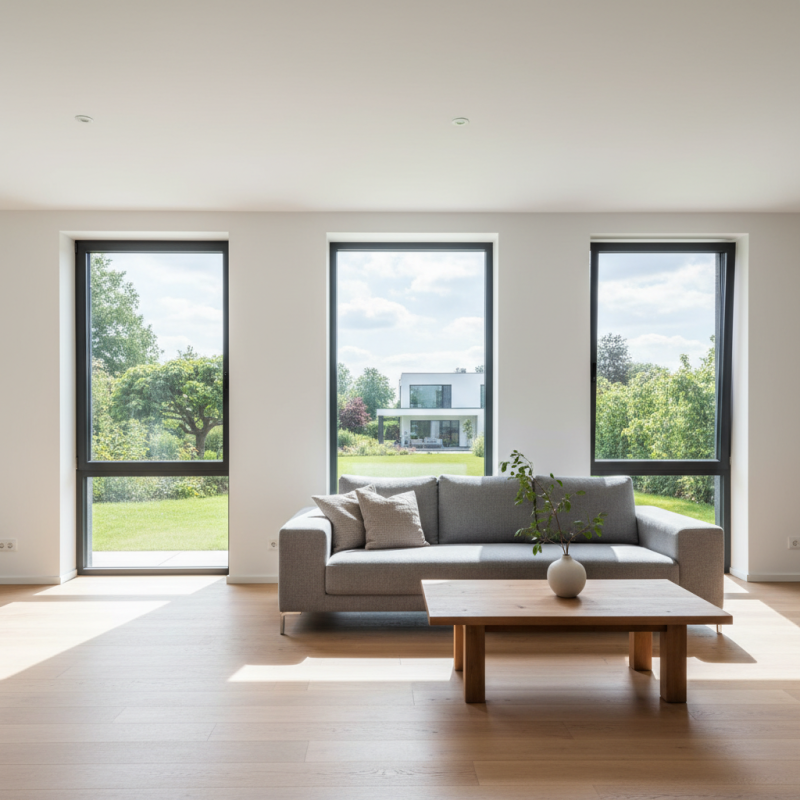
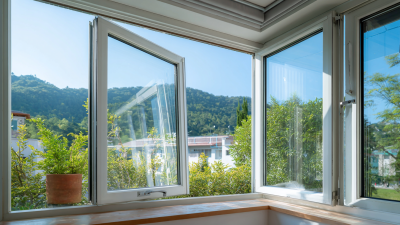
Tilt and turn windows are a versatile choice for modern homes. They feature a unique design that allows the window to open two different ways. This offers flexibility for ventilation and easy cleaning. You can tilt the window for a small opening. Alternatively, it can turn fully open for maximum airflow.
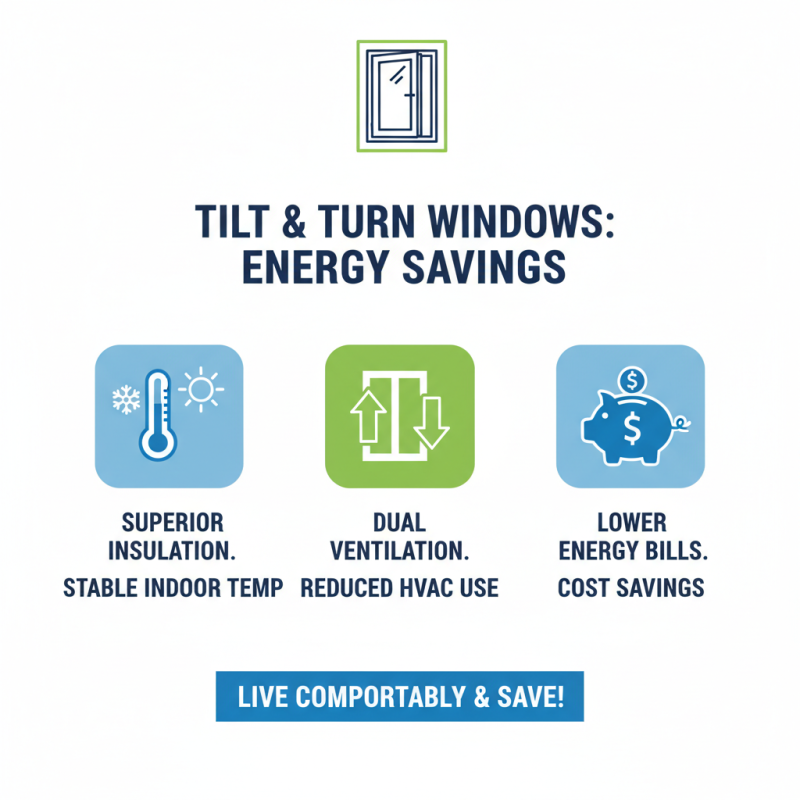
These windows also provide excellent insulation. A snug fit helps maintain indoor temperatures. They are energy-efficient, which can lead to lower heating bills. Noise reduction is another key benefit. Double or triple-glazing can minimize outside sounds.
While they have many advantages, tilt and turn windows also come with considerations. They require careful installation to ensure proper functioning. Maintenance is essential for longevity. Over time, the mechanisms may need adjustments. Regular checks can help prevent issues. Balancing these factors will enhance their benefits in your home.

Tilt and turn windows have become essential in modern European home design. For 2026, several key design considerations are emerging. Energy efficiency is at the forefront. With increasing energy costs, these windows can significantly reduce heating needs. Reports indicate that homes with energy-efficient windows can save up to 30% on energy bills annually.
Another aspect to focus on is versatility. Tilt and turn windows offer dual functionality. They can swing in like a door or tilt for ventilation. This is particularly useful in compact spaces. A recent study highlighted that homes with these windows saw a 15% increase in natural light. This can enhance mood and well-being.
However, one must also consider practical issues. Installation can be complex. Misalignment may lead to air leaks. Selecting the right materials is crucial for durability. While some options are lightweight, they might not withstand harsh weather conditions. Balancing aesthetics and functionality is vital. Every choice has implications, and reflection on these factors can guide optimal home design.
Tilt and turn windows have gained popularity in modern European architecture. They offer flexibility and enhanced ventilation. Many homeowners prioritize energy efficiency, noise reduction, and safety when selecting windows. A study by the Window and Door Manufacturers Association revealed that up to 30% of heating costs can be attributed to poor windows. Tilt and turn designs can significantly reduce this loss due to their tight seals and dual-functionality.
When comparing European brands, several factors come into play. Materials used for frames and glass can vary significantly. For example, some brands focus on eco-friendly materials. Others prioritize aesthetics or durability. According to the Sustainable Building Alliance, windows account for approximately 15% of total energy loss in homes. Therefore, it's crucial to prioritize choices that enhance energy efficiency.
However, challenges exist. Not all tilt and turn windows are designed with the same manufacturing standards. Some may not withstand harsh weather conditions. A report highlighted that around 18% of homeowners experience issues with leaks and drafts in poorly made windows. Rigorous quality checks are essential for optimal performance. Thus, informed choices can lead to sustainable home design while reflecting personal style.
When it comes to tilt and turn windows, installation and maintenance play crucial roles in their performance. Proper installation is essential to ensure energy efficiency. According to a recent industry report, up to 30% of energy loss in homes can be attributed to poorly installed windows. This highlights the importance of hiring skilled professionals who can follow manufacturer guidelines and local building codes. Accurate alignment is key. Misalignment can lead to drafts and leaks.
Maintenance is another aspect that cannot be overlooked. Regular checks can extend the lifespan of windows. The same report states that neglecting window maintenance can cut their lifespan by nearly 40%. Cleaning the frames and checking for seal integrity should be done bi-annually. It’s not just about appearance; it prevents performance issues. Lubricating hinges is essential for smooth operation. Skipping this step might lead to more significant mechanical problems.
Homeowners often forget the impact of weather seals. A worn-out seal might not be visible but can result in costly repairs down the line. Observing for signs of wear is crucial. For better durability, consider using high-quality materials during installation. While the initial cost may be higher, it may save money over time. These proactive steps, though frequently overlooked, can make a significant difference in window performance.
When considering tilt and turn windows, energy efficiency is crucial. These windows offer excellent insulation that helps maintain a comfortable indoor temperature. The design allows for both top and side ventilation. This feature reduces reliance on heating and cooling systems. As a result, homeowners may save on energy bills.
Sustainability is also a key factor. Many tilt and turn windows are crafted from recyclable materials. This choice reflects a commitment to reducing environmental impact. However, it is essential to remember that not all materials are created equal. Some options may look appealing but could lack long-term durability.
Choosing the right design involves thoughtful consideration. Factors like climate and building orientation can affect performance. It's beneficial to evaluate how light enters the space. Some designs may not maximize natural light, making interiors feel darker. Homeowners should weigh these aspects to ensure their investment aligns with their values.
Call us one of our 3 offices across Ontario, Canada
Thanks for contacting us!
We'll get back to you as soon as possible.