2026 Top Window Styles for Global Buyers Which Is Best?

Choosing the right style of windows in 2026 requires more than following a fashionable showroom display. Global buyers must compare climate, building orientation, ventilation needs, maintenance, security, and local installation standards. A wide glass wall may suit a cool coastal home, yet create severe heat gain in a tropical city. A slim aluminum frame may look modern, but it can feel cold without suitable thermal breaks.

Dr. Joseph Lstiburek, a respected building scientist, has stated, “A window is a hole in the wall.” This simple observation deserves attention. Windows connect indoor comfort with outdoor conditions, so their performance matters as much as their appearance. Casement, sliding, awning, tilt-and-turn, fixed, and double-hung designs each solve different problems. The best option depends on how the room is used, not only on its architectural style.

This guide examines the top window styles for global buyers in 2026. It considers daylight, airflow, energy performance, frame materials, glazing, cleaning access, and long-term value. Regional weather can change the decision completely. A strong design in Germany may be excessive in a mild coastal region. A popular style may also disappoint when installed poorly. That part is easy to underestimate.

There is no universal winner. Not every trend deserves trust. Buyers should ask for tested performance data and qualified installation support. Small details matter, including drainage paths, seals, hardware strength, and glass coatings. The right style should look appropriate, operate smoothly, and remain dependable after years of changing weather.
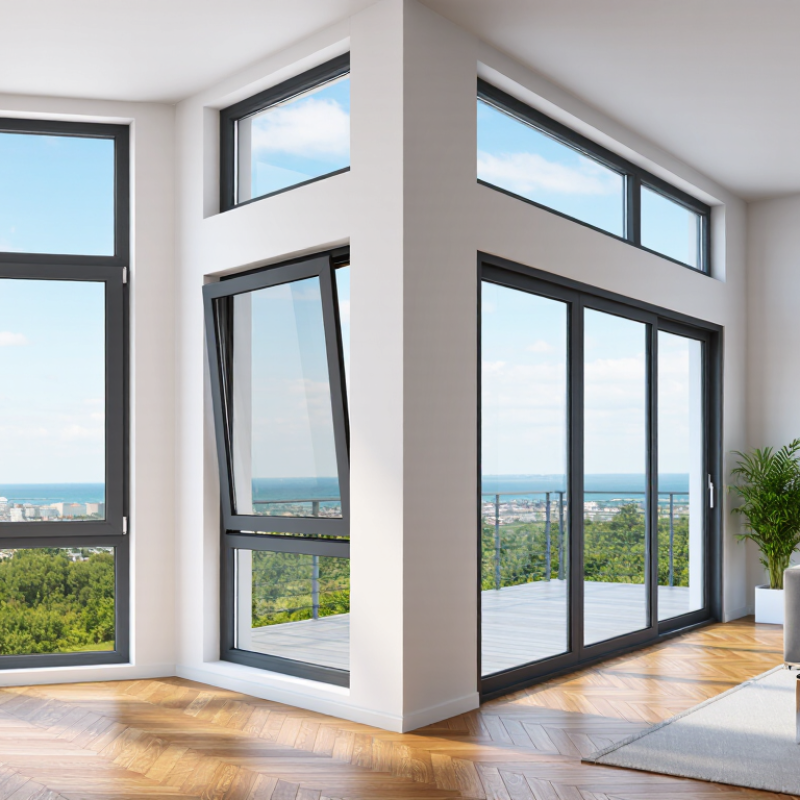
2026 Top Window Styles for Global Buyers Which Is Best?

What Defines a Window Style in 2026?

A window style in 2026 means more than appearance. It combines shape, opening method, frame material, glazing, and measured energy performance. A casement window opens outward, while a sliding window moves horizontally. These actions affect ventilation, cleaning, weather resistance, and furniture placement.

Climate should guide the choice. The U.S. Department of Energy reports that windows can cause 25–30% of residential heating and cooling energy use. The International Energy Agency’s 2024 buildings analysis also shows that buildings consume about 30% of global final energy. Therefore, buyers should compare whole-window U-factor, solar heat gain coefficient, air leakage, and visible transmittance. These values are more useful than phrases such as “modern” or “premium.”

Climate should guide the choice. The U.S. Department of Energy reports that windows can cause 25–30% of residential heating and cooling energy use. The International Energy Agency’s 2024 buildings analysis also shows that buildings consume about 30% of global final energy.

The best style changes by region. Tilt-and-turn windows suit controlled ventilation and dense urban homes. Sliding systems save interior space, but their moving seals require careful inspection. Large fixed windows provide daylight, yet they offer no natural airflow. I have seen projects overvalue slim frames while overlooking solar exposure and installation quality. That is a costly mistake.

Details matter. Check drainage paths, gasket compression, hardware durability, and glass safety specifications. Request certified test results under recognized standards, not only catalogue claims. A beautiful window can still perform poorly when its frame, glass, and installation do not work together. There is no universal winner. Only a better match for the building.
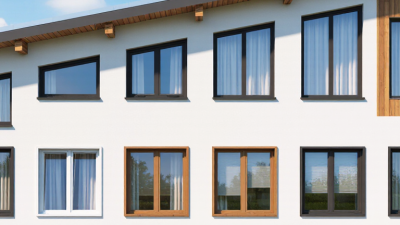

How Global Buyers Compare Major Window Styles

Global buyers compare window styles by climate, ventilation, cleaning access, and energy performance. Appearance comes later. The U.S. Department of Energy reports that windows can cause 25–30% of residential heating and cooling energy use. This makes glass area, frame material, and installation quality critical.

Casement windows usually provide strong ventilation because the sash opens outward. They suit windy or warm regions when hardware is correctly specified.

Sliding windows need less exterior clearance, making them practical for apartments and narrow balconies. However, their horizontal tracks can collect dust and reduce airtightness if poorly maintained.

Tilt-and-turn windows offer flexible ventilation and inward cleaning access. They can be valuable in high-rise projects, but their hardware requires precise installation.

Fixed windows often deliver the best insulation because they have no moving seals. They cannot provide fresh air.

The 2023 Global Status Report for Buildings and Construction states that buildings consumed about 30% of global final energy in 2022. That figure changes the buying conversation. Buyers should compare U-values, solar heat gain coefficients, visible transmittance, and air-leakage ratings, not just frame color. The National Fenestration Rating Council explains that these ratings support consistent product comparisons. Regional testing still matters. A coastal project may need corrosion-resistant hardware, while a cold inland site needs low heat transfer and durable seals.

No style wins everywhere. That is the uncomfortable part. A beautiful sliding unit may perform poorly with careless installation. A high-performing tilt-and-turn system may frustrate users unfamiliar with its handle positions. Performance data helps, but local habits deserve equal attention.

Which Window Materials and Designs Suit Different Climates?

Choosing windows in 2026 requires more than copying a popular style. Climate should guide material, glass, opening direction, and frame depth. In coastal zones, salt air can attack weak hardware and exposed fasteners. Powder-coated aluminum resists moisture, but thermal breaks remain essential. Without them, indoor surfaces may feel cold, and condensation can form. Fiberglass and composite frames offer strong insulation with limited seasonal movement. They may cost more. Long service life can justify that choice.

In hot, sunny regions, low-e double glazing, external shading, and smaller west-facing openings reduce heat gain. Casement windows can seal tightly during cooling seasons. However, outward-opening sashes need clearance from balconies, trees, and nearby walls. In humid climates, uPVC and fiberglass resist rot, while drainage channels must remain accessible. A beautiful frame fails when water has nowhere to go. This detail is often missed.

Cold continental climates usually benefit from triple glazing, insulated frames, and warm-edge spacers. Tilt-and-turn designs allow controlled ventilation without opening the entire window. In storm-prone areas, laminated glass and tested locking points improve protection, but installation quality remains critical. Field inspections often reveal gaps around the frame, not flaws in the glass. No specification is perfect. Buyers should compare U-values, solar heat gain, air leakage, and local wind ratings together. A lower U-value alone does not guarantee comfort. Regional installers should verify wall thickness, drainage paths, and emergency ventilation before production begins.

2026 Top Window Styles for Global Buyers Which Is Best? - Which Window Materials and Designs Suit Different Climates?

Window style Recommended frame materials Best-suited climates Typical whole-window U-value
(W/m²·K)
Solar-control guidance Main advantages Key limitations
Casement uPVC, thermally broken aluminum, timber, or timber-aluminum composite Cold, temperate, windy, and mixed climates Approximately 0.8–1.6 with double or triple glazing Low-e glass; lower SHGC for hot sunny façades and moderate SHGC for cold climates Excellent airtightness, good resistance to wind-driven rain, and strong ventilation control Needs outward or inward opening clearance; hardware requires periodic adjustment
Tilt-and-turn uPVC, aluminum with thermal break, or timber-aluminum composite Cold continental, temperate, high-rainfall, and urban climates Approximately 0.7–1.5 with high-performance glazing Low-e double glazing is common; triple glazing is useful where winter heating demand is high Combines secure sealing with controlled top ventilation; easy to clean from inside More complex hardware and generally higher purchase cost than basic casement windows
Sliding Thermally broken aluminum, uPVC, or fiberglass Warm, mild, coastal, and space-constrained climates Approximately 1.2–2.2, depending on lift-slide or standard sliding design Use spectrally selective or low-SHGC glass in hot climates; add external shading on large openings Space-efficient operation, wide views, and convenient access to balconies or patios Standard sliders usually have lower airtightness and drainage performance than hinged windows
Awning or hopper uPVC, fiberglass, thermally broken aluminum, or timber Rainy, humid, temperate, and high-level ventilation applications Approximately 0.9–1.7 with insulated glazing Select low-e glass according to orientation; use shading where windows face strong afternoon sun Can provide ventilation during light rain and offers good compression sealing Limited clear opening; outward-opening units may conflict with exterior walkways
Fixed picture window Any durable frame material, including aluminum, uPVC, fiberglass, or timber All climates when paired with suitable glazing and external shading Approximately 0.6–1.4; fixed units usually perform better than operable units Use low-SHGC glazing in hot climates and higher-SHGC glazing for passive solar gain in cold climates Maximum daylight and views with very good airtightness and low maintenance Does not provide ventilation and may require specialized cleaning for large or elevated glass areas
Bay or bow window Timber, uPVC, fiberglass, or thermally broken aluminum Temperate and cold climates where additional interior space is desired Approximately 1.0–1.8, depending on the number of joints and glazing type Use solar-control glass and roof or side shading in hot climates because of increased glass exposure Adds projection, daylight, and architectural character; can improve outward views More costly to install; junctions and roof sections require careful insulation and waterproofing
Louvered or jalousie Aluminum or corrosion-resistant steel with glass or weather-resistant blades Tropical and hot-humid climates requiring high natural ventilation Generally higher heat and air leakage than sealed insulated windows Combine with external shading, insect screens, and selective low-e glass where available Excellent airflow, adjustable privacy, and useful ventilation during warm conditions Not ideal for cold, dusty, storm-prone, or air-conditioned spaces because sealing is limited
Roof window or skylight Thermally broken aluminum, uPVC, or timber-aluminum composite All climates when orientation, flashing, drainage, and solar control are correctly designed Approximately 0.8–1.8 for high-performance insulated units External blinds or solar-control glazing are especially important in hot climates and on low-angle roofs Introduces daylight into deep-plan rooms and can support stack-effect ventilation when operable Higher solar exposure, heat-loss risk, and water-management requirements than vertical windows
Technical notes: U-values shown are indicative whole-window ranges in W/m²·K; lower values generally indicate better insulation. Actual performance depends on frame size, glazing configuration, spacer, seals, installation quality, and local testing standards. SHGC means Solar Heat Gain Coefficient, where lower values reduce solar heat gain. Climate suitability should also consider wind exposure, rainfall, humidity, condensation risk, local building codes, and orientation.

How Energy Efficiency, Security, and Maintenance Affect Choice

2026 Top Window Styles for Global Buyers: Which Is Best?

Energy efficiency should guide window selection, not fashion.

The International Energy Agency reports that buildings consume about 30% of global final energy. Poor window seals can make rooms feel cold near the glass. They can also increase cooling loads in sunny climates. Casement and tilt-turn windows usually create tighter compression seals than many sliding designs. Fixed windows often perform best thermally because they have no opening hardware. However, ventilation still matters. A sealed room is not automatically a healthy room.

Security depends on frame strength, locking points, and installation quality.

Multi-point locks can improve resistance to forced entry, but weak surrounding walls remain a problem. Laminated glazing may help hold broken glass together. Local building codes and emergency-exit rules must be checked before ordering.

Maintenance is equally practical.

Sliding tracks collect dust and sand, especially in coastal or dry regions. Hinged windows need occasional hardware adjustment. The U.S. Department of Energy recommends inspecting weatherstripping and caulking because small gaps can waste energy. In my assessment, buyers often focus on the glass and overlook the installer. That choice can be expensive. The National Fenestration Rating Council also stresses independent performance ratings, including U-factor and solar heat gain coefficient. Yet ratings are not universal guarantees. Climate, orientation, cleaning access, and repair skills can change the result. A beautiful window that is difficult to service may become a poor long-term investment.

Which 2026 Window Style Best Fits Your Project?

Choosing a 2026 window style starts with the project, not the showroom photograph. Global buyers should compare climate, wall structure, ventilation needs, and maintenance access. A slim fixed window can frame a view beautifully, but it cannot ventilate a bedroom. Small details matter. Casement windows provide strong airflow when wind direction changes, while sliding windows suit narrow balconies and compact rooms. Awning windows shed light rain, yet their outward projection may conflict with exterior walkways.

For humid coastal sites, prioritize corrosion-resistant hardware, sealed joints, and drainage paths that installers can inspect. In cold regions, low-conductivity frames and high-performance glazing help reduce interior condensation.

Do not choose glazing by label alone. Ask for tested thermal, acoustic, air-leakage, and water-resistance values. These figures make supplier comparisons more reliable, especially across different testing systems.

However, performance data cannot repair poor installation. An uneven opening, weak anchoring, or blocked drainage can undermine an expensive window.

Project scale also changes the answer. Large openings may favor lift-and-slide or folding systems, but their tracks need precise leveling and regular cleaning. For apartments, tilt-and-turn designs offer ventilation, cleaning access, and controlled opening in limited space. For schools and offices, prioritize durable hardware, safe operation, and replacement parts available locally.

I have seen attractive specifications fail during installation because the sill height was never checked. That mistake is avoidable. Before ordering, request full-size samples, opening diagrams, warranty terms, and an installation method statement. Recheck the choice after reviewing furniture, emergency access, and the daily path of sunlight.