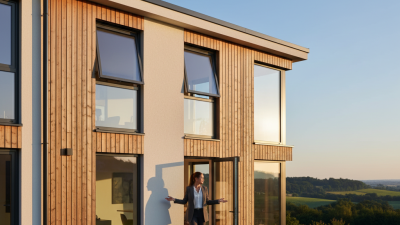
Choosing the best hinged windows in 2026 requires more than comparing frame colors or advertised energy ratings. Global buyers face different climates, building traditions, installation practices, and performance standards. A window suited to a dry Mediterranean apartment may fail in a wind-driven coastal storm. A beautiful timber frame may also demand more maintenance than an aluminum-clad alternative.
Building scientist Joseph Lstiburek has described windows as “holes in walls.” The phrase is simple, but technically important. Hinged windows must control air, water, heat, noise, and security through one carefully engineered opening. This guide examines casement and awning designs through practical details, including gasket quality, hinge durability, glazing options, drainage paths, thermal breaks, and hardware replacement. It also considers U-values, air leakage, water resistance, and regional testing requirements, rather than trusting marketing language alone.
No ranking fits every project. That is the uncomfortable part. A high-performance window can still perform poorly after careless installation, incorrect flashing, or unsuitable glass selection. Buyers should check local exposure, wall construction, ventilation needs, and available service support before ordering. Manufacturer data matters, but independent certification and installer experience matter too. Some comparisons remain subjective, especially around appearance, opening force, and long-term maintenance. The following overview aims to make those decisions clearer, while admitting that real buildings often behave differently from laboratory samples.
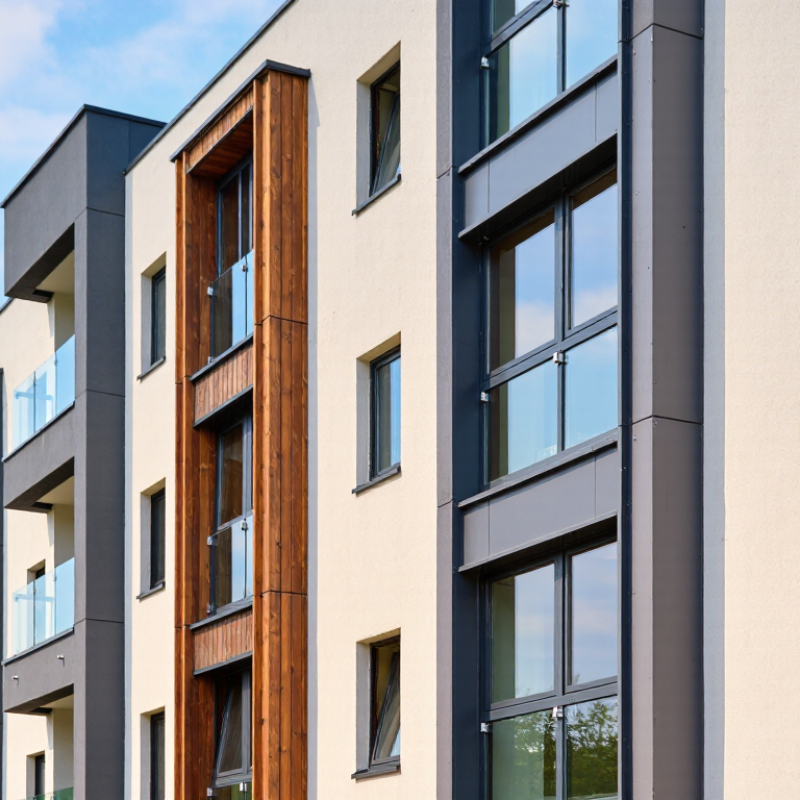
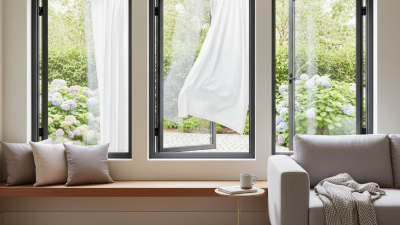
Hinged windows open around a fixed hinge line, rather than sliding along a track. Their sash, or movable frame, swings outward or inward when the handle turns. Common types include casement windows, which open from one side, and awning windows, which hinge at the top. A tight gasket seals the sash against the frame when closed. This design can provide strong ventilation and a clearer glass area than many sliding systems.
The handle controls a locking mechanism around the frame. Turning it first releases the locks, then pushes the sash outward through friction stays or concealed hinges. When closed, several locking points can press the sash evenly against the seal. This helps reduce drafts, rain entry, and outdoor noise. Global buyers should check wind exposure, opening direction, drainage, glass performance, and local installation practices. An outward-opening sash may need clearance from balconies, shutters, or narrow walkways. An inward-opening model can simplify cleaning, but it uses valuable indoor space.
Tips: Ask for verified air, water, and wind test data. Confirm hinge materials for humid or coastal climates. Measure the rough opening carefully, not only the visible glass. A small error can cause difficult installation. Inspect the sample: operate the handle, check gasket contact, and look for frame movement. No window is perfect. Even a well-designed unit can perform poorly if the wall opening is uneven or the drainage path is blocked.
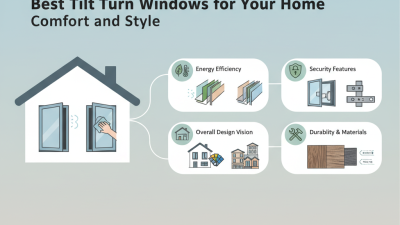
For 2026, the best hinged window depends on climate, not appearance. In hot, humid regions, outward-opening casement windows can capture breezes. Awning windows work well during light rain. Their top-hinged sash keeps ventilation available below shallow roof overhangs.
In cold climates, inward-opening tilt-and-turn windows support tight closing and controlled ventilation. Choose low-emissivity glazing, insulated frames, and warm-edge spacers. The U.S. Department of Energy estimates that windows can cause 25–30% of residential heating and cooling energy use. In windy coastal areas, inward-opening units may simplify maintenance and improve weather sealing. For dry, hot regions, operable windows should pair with exterior shading. Night ventilation can release stored indoor heat. ASHRAE Handbook—Fundamentals climate guidance also highlights solar exposure, humidity, and wind when selecting building components. One detail is often missed: a strong window performs poorly with weak installation joints.
Tips: Check the local climate zone first. Ask for whole-window U-factor, solar heat gain coefficient, air-leakage data, and water resistance. Do not compare glass alone. A triple-glazed unit may underperform if the frame or perimeter seal is poorly fitted. Field conditions are never perfectly measured, and that uncertainty deserves attention. The DOE’s Energy Saver guidance and ASHRAE technical references provide useful benchmarks, but regional testing remains necessary.
| Hinged Window Type | Main Opening Action | Best Climate Applications | Ventilation Performance | Rain and Wind Considerations | Solar and Thermal Considerations | Typical Glazing Options | Overall Climate Suitability |
|---|---|---|---|---|---|---|---|
| Outward-Opening Casement | Side-hinged sash opens outward; a multipoint lock can compress the sash against the frame when closed. | Mixed climates, temperate regions, coastal areas, and cold climates when fitted with suitable weather seals and insulated glazing. | Very high. The opening sash can direct breezes into the room and provide a large clear ventilation area. | Good when correctly weather-sealed. In exposed locations, outward opening hardware and restrictors should be selected for local wind conditions. | Good thermal performance with insulated frames and low-emissivity glazing. External shading may be required on highly exposed sunny elevations. | Double or triple insulating glass; low-emissivity coatings; laminated glass for security or noise control. | Excellent for most climates |
| Awning Window | Top-hinged sash opens outward from the bottom. | Humid, tropical, subtropical, and rainy climates where ventilation is needed during light rain. | High. It promotes outward and upward airflow while helping protect the opening from direct rainfall. | Good in light to moderate rain. The projecting sash can reduce water entry, but severe wind-driven rain still requires tested drainage and seals. | Good with low-emissivity glazing. In hot climates, combine with exterior overhangs or adjustable shading to limit solar heat gain. | Double insulating glass; solar-control glass in hot regions; laminated glass where storm resistance is required. | Excellent for humid and rainy climates |
| Hopper Window | Bottom-hinged sash opens inward from the top. | Cold climates, basements, utility rooms, bathrooms, and locations requiring controlled ventilation. | Moderate. The opening is smaller and more directional than a casement window. | Good resistance to external rain because the sash generally opens inward; drainage and interior water management remain important. | Good for compact openings. Insulated frames and low-emissivity glazing can reduce heat loss in cold climates. | Double or triple insulating glass; privacy glass for bathrooms and lower-level rooms. | Excellent for cold and sheltered areas |
| French Casement | Two side-hinged sashes open outward without a central fixed mullion. | Temperate and warm climates where wide openings, daylight, and cross-ventilation are priorities. | Very high. The wide clear opening supports strong cross-ventilation and unobstructed views. | Good when the frame, meeting stile, locks, and seals are designed for the local wind and rain exposure. | Good daylight access, but large glazed areas can increase solar heat gain unless solar-control glass or exterior shading is used. | Double insulating glass; solar-control glass; laminated or toughened safety glass according to local regulations. | Very good for temperate and warm climates |
| Top-Hung Projecting Window | Top-hinged sash projects outward, commonly using friction stays or projecting hinges. | Rainy temperate climates, high-level openings, and façades that need ventilation with some weather protection. | High. The projecting sash can support ventilation while helping deflect light rain. | Good for normal rainfall. The design should be tested for air leakage, water penetration, and structural wind loads in exposed regions. | Good when combined with insulated glazing; projecting sashes can also provide limited shading depending on orientation. | Double insulating glass; low-emissivity glass; solar-control glass for sunny elevations. | Very good for wet temperate climates |
| Tilt-and-Turn Window | Tilts inward from the top for ventilation or turns inward from the side for a larger opening. | Cold, temperate, urban, and mixed climates where flexible ventilation and strong air sealing are important. | High. Tilt mode provides controlled ventilation; turn mode offers a larger opening for rapid air exchange. | Very good in closed and tilted positions when fitted with continuous gaskets and properly adjusted hardware. Inward opening requires interior clearance. | Very good with thermally improved frames and low-emissivity glazing. Interior operation can simplify the use of curtains or blinds. | Double or triple insulating glass; acoustic laminated glass; low-emissivity and solar-control combinations. | Excellent for cold and mixed climates |
| Pivot-Hinged Window | Sash rotates around a central or offset horizontal or vertical axis. | Modern buildings, high-rise façades, locations requiring large ventilating openings, and selected temperate climates. | High to very high, depending on sash size and pivot position. | Performance varies significantly by hardware and seals. Large pivoting sashes require careful wind-load assessment and opening restrictors. | Large glass areas may increase heat gain or heat loss; use high-performance glazing and external shading where required. | Double or triple insulating glass; solar-control glass; laminated safety glass for larger panes. | Good when engineered for the site |
| Storm-Resistant Outward Casement | Side-hinged outward-opening sash with reinforced frames, impact-resistant glazing, and controlled hardware. | Hurricane-prone, typhoon-prone, coastal, and high-wind regions where local certification is required. | High during normal operation, with restrictors or protective systems used during severe weather. | Very high only when the complete window assembly has been tested and certified for the project’s wind pressure, impact, and water conditions. | Good, but robust glazing and reinforced frames may affect weight, visible sightlines, and thermal performance. | Laminated impact-resistant glass; insulated glass units; low-emissivity coatings where compatible with the assembly. | Excellent for certified high-wind applications |
Choosing the best hinged windows in 2026 requires more than comparing frame prices. Materials shape durability, insulation, and maintenance. Thermally broken aluminum offers slim sightlines and strength, while uPVC usually provides strong insulation at a lower cost. Timber feels warm and authentic, but it needs disciplined sealing and periodic protection. A frame that looks excellent in a showroom may perform poorly after careless installation.
Glass deserves careful attention. Double glazing can suit moderate climates, while triple glazing helps in colder regions, though it adds weight and cost. Low-emissivity coatings reduce heat transfer, and solar control glass can limit afternoon glare. Check the U-factor, solar heat gain coefficient, visible transmittance, and air-leakage rating together. One number never tells the whole story. In hot climates, an extremely low U-factor may matter less than effective solar control and external shading.
Hardware affects daily reliability. Test the handle movement, hinge adjustment, locking points, and drainage design. Stainless or corrosion-resistant components are sensible near coastlines. Ask for documented test results, not vague claims about “high performance.” Energy labels also need climate context, because rating systems differ between regions. A window rated well in a cold country may not be ideal for a humid, sunny location.
A common mistake is choosing premium glass while ignoring the wall connection. Even a well-designed window can leak air around an unfinished opening. Perfect specifications do not replace careful measurement, qualified installation, and realistic maintenance planning.
2026 Best Hinged Windows for Global Buyers?
What Standards and Installation Factors Matter in Global Markets?
The best hinged window is not universal. Climate, building codes, and wall construction change the correct specification. Buyers should request tested values for thermal transmission, air leakage, water resistance, and wind pressure. Regional standards may differ, so a European test report may not satisfy a project in North America or Asia. Verify acceptance with the local engineer or authority.
Installation often decides real performance. A high-quality frame can still leak through an uneven opening or poorly sealed sill. Check the rough opening, drainage path, insulation gap, and flashing sequence before delivery. Coastal projects need corrosion-resistant hardware, while cold regions require careful attention to condensation and thermal bridging. Site measurements should record plumb, level, and diagonal tolerances. I have seen small alignment errors create stiff handles and visible gaps. Product data alone cannot prevent that.
Tips: Ask for complete test reports, not marketing claims. Confirm glass safety requirements and emergency egress dimensions locally. Use compatible sealants and membranes. Keep installation photographs for quality checks. Leave room for adjustment, because drawings rarely capture every site condition. A final water test is useful, but it should not replace careful preparation.
The chart shows the reference test pressures associated with EN 12210 wind-resistance classes. Higher classes require the hinged window assembly to withstand greater positive and negative pressure during laboratory testing.
Selecting the best hinged windows for a global project requires more than comparing frame prices. Start with the building’s climate, wall structure, room function, and opening size. A coastal home may need corrosion-resistant hardware, while a cold-region project benefits from insulated frames and low-emissivity glazing. In hot climates, solar-control glass can reduce indoor heat and cooling demand.
Check the window’s air leakage, water resistance, wind performance, and operating cycles. These details matter when strong rain meets an exposed elevation. The hinge position also affects ventilation, furniture placement, emergency access, and cleaning. Ask for tested performance data, installation instructions, and material specifications. Local building requirements should guide the final selection, because a suitable product in one market may need adjustments elsewhere.
Tips: Measure the opening twice. Confirm the sash swing before ordering. Request samples of glass, seals, and frame finishes. Discuss drainage paths with the installer. Do not overlook maintenance access.
A practical specification should also consider long-term service. Replaceable seals, accessible hinges, and standard hardware can reduce future disruption. I would not select the thinnest frame automatically; a slim appearance may compromise stiffness or thermal performance. Perfect coordination is rare, honestly. Site tolerances, shipping conditions, and installer skill can change the result. Leave suitable adjustment space and record every dimension before production. A reliable supplier should answer technical questions clearly, provide traceable test information, and explain limitations without hiding them.
Call us one of our 3 offices across Ontario, Canada
Thanks for contacting us!
We'll get back to you as soon as possible.